
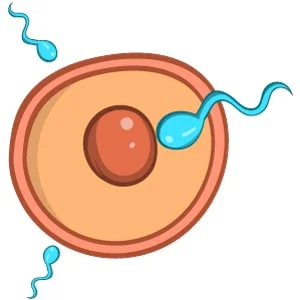
Physiological Intra Cytoplasmic Sperm Injection PICSI is an advanced sperm selection technique used in conjunction with IVF (In vitro fertilization). It aims to choose the healthiest sperm for fertilization, potentially improving the chances of successful implantation and pregnancy.
PICSI involves these general steps:
• Semen collection and preparation: Similar to standard IVF, a semen sample is collected.
• Sperm selection: The semen is processed, and sperm cells are placed in a specialized dish containing a solution with hyaluronic acid (a substance naturally present in the egg’s surrounding area).
• Motile sperm binding: Only mature sperm with good motility are attracted to and bind with the hyaluronic acid.
• Selection of bound sperm: These bound sperm are considered potentially healthier and more likely to successfully fertilize an egg.
• ICSI: The selected sperm are then used for ICSI, where a single sperm is injected directly into an egg for fertilization.

In 2026, Physiological Intracytoplasmic Sperm Injection (PICSI) treatment typically ranges between ₹100,000 and ₹230,000 in addition to the base cost of in vitro fertilization (IVF), which itself can range from ₹800,000 to ₹1,000,000 per cycle.
PICSI is an advanced reproductive technology used in conjunction with IVF to select sperm based on their ability to bind to hyaluronic acid, aiming to increase the likelihood of successful fertilization and embryo development.
While this technique can add a notable expense to the overall cost of fertility treatment, many couples consider it a worthwhile investment for its potential to enhance fertility outcomes.


Both PICSI and ICSI are techniques used in IVF, but they serve different purposes:
• ICSI: Bypasses the natural fertilization process by injecting a single sperm directly into an egg. ICSI is helpful for various male infertility factors like low sperm count or poor motility.
• PICSI: Focuses on selecting the healthiest sperm within a semen sample before ICSI. PICSI aims to improve the quality of sperm used for fertilization, potentially leading to better embryo development and implantation.
The theory behind PICSI is that selecting sperm with better maturity and motility may lead to healthier embryos with a lower risk of miscarriage. However, more research is needed to definitively establish PICSI’s effectiveness in preventing miscarriages. While some studies suggest potential benefits, conclusive evidence is still emerging.
PICSI might be beneficial if you have:
Talk to your doctor to see if PICSI fits your needs.
PICSI offers several potential benefits for couples undergoing IVF: