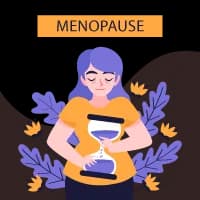
Menopause marks the natural end of a woman’s menstrual cycle. It’s diagnosed after 12 months without a menstrual period. Typically occurring in the late 40s or early 50s, menopause signifies the permanent cessation of ovulation (egg release) and a decline in estrogen and progesterone production by the ovaries.
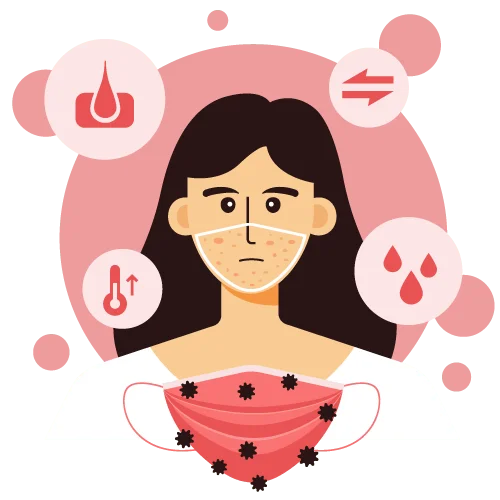
The hormonal changes associated with menopause can trigger various symptoms, including:
Not all women experience all these symptoms, and the severity can vary significantly.
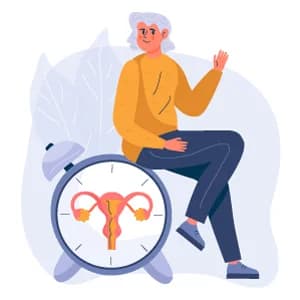
While not immediate consequences, menopause can increase the risk of certain health concerns over time:
Menopause treatment options include hormone replacement therapy (HRT) to alleviate symptoms like hot flashes and night sweats, lifestyle changes such as balanced diet and regular exercise, and non-hormonal medications like antidepressants for mood swings. Additionally, vaginal estrogen can address vaginal dryness, while alternative therapies such as acupuncture and herbal supplements may provide relief for some women. Regular consultations with a healthcare provider are essential to tailor treatment plans to individual needs and monitor for potential risks associated with certain therapies.