
ERA Banner

    Endometrial Receptivity Array (ERA)

    What is ERA

    What is Endometrial Receptivity Array (ERA)

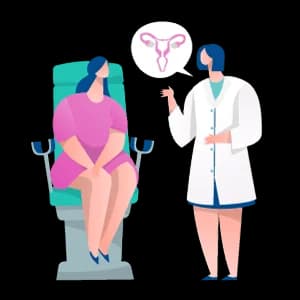
    Endometrial Receptivity Array (ERA) is a specialized test used in conjunction with IVF to assess a woman’s uterine lining receptivity for embryo implantation. By analyzing gene expression in the endometrium (uterine lining), the ERA test helps identify the ideal window for embryo transfer, potentially increasing the chances of successful pregnancy during IVF cycles.

    ERA Test Cost for IVF in Delhi (2026)

    The cost of the ERA test in Delhi can vary depending on several factors, including:

    • Facility fees: The specific clinic or hospital performing the test can have varying pricing structures.
    • Doctor’s fees: The consulting physician’s fees may influence the overall cost.
    • Lab fees: The processing and analysis involved in the ERA test can impact the associated lab fees.

    In Delhi (2026), the ERA test might range from ₹35,000 to ₹50,000 or more. It’s advisable to consult with your chosen fertility clinic to get a specific cost estimate for their services. Additionally, some insurance plans might offer partial coverage for the ERA test. Checking with your insurance provider can help you understand your coverage details.


    ERA Cost
    ERA Procedure

    ERA Procedure Step-by-Step

    The ERA test involves these general steps:

    • Timed endometrial biopsy: During a menstrual cycle, a small tissue sample is collected from the endometrium at a specific time point determined by your doctor based on your typical cycle.
    • Sample processing: The endometrial tissue sample is sent to a specialized laboratory for analysis.
    • Gene expression analysis: Advanced technology is used to analyze the activity of specific genes in the endometrial tissue.
    • Results interpretation: The lab results will indicate the specific window of endometrial receptivity considered most favorable for embryo implantation.

    ERA vs. Receptivity Testing

    While both ERA and other endometrial receptivity tests aim to assess uterine lining receptivity, there are key differences:

    • ERA: Analyzes gene expression to identify the ideal window for implantation.
    • Other tests: May measure hormone levels or endometrial thickness, which may not always accurately predict optimal implantation timing.

    ERA offers a more precise approach by analyzing the endometrial lining’s readiness on a molecular level.

    Benefits of ERA Test Before IVF Transfer

    The ERA test offers potential benefits for couples undergoing IVF:

    • Improved success rates: Identifying the optimal window for embryo transfer may lead to higher pregnancy success rates in IVF cycles.
    • Reduced failed transfers: Performing the transfer at the most receptive time could decrease the likelihood of failed implantation.
    • Personalized approach: The ERA test provides personalized information to tailor the IVF transfer timing for each patient.

    It’s important to discuss the ERA test with your fertility specialist to understand if it’s suitable for your situation. They can explain the potential benefits and limitations based on your individual medical history and specific needs within your IVF treatment plan.

    ERA Benefits

    FAQs

    If the ERA test indicates a non-receptive window, your doctor might recommend:

    • Transfer timing adjustment: The embryo transfer can be scheduled for the window identified as optimal by the ERA test.

    • Endometrial treatments: Certain medications or supplements might be used to enhance endometrial receptivity based on the specific results.
    Call Now