ICSI Banner

    Intracytoplasmic sperm injection
    (ICSI)

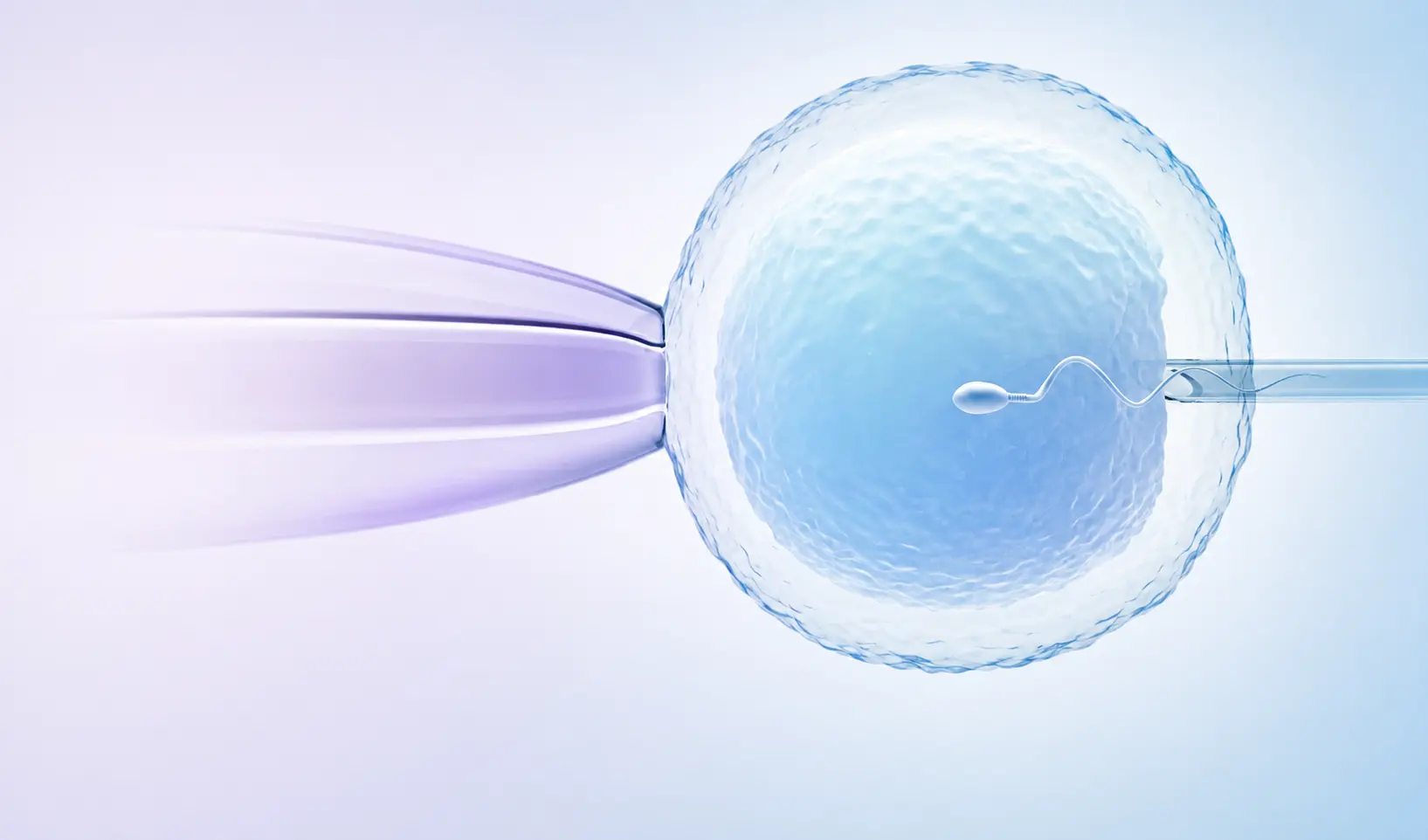
    ICSI Illustration

    What is Intracytoplasmic Sperm Injection (ICSI)

    Intracytoplasmic sperm injection (ICSI), pronounced ik-see, is a specialized technique used during in vitro fertilization (IVF) to improve the chances of fertilization. Unlike conventional IVF where sperm fertilizes the egg naturally, ICSI injects a single healthy sperm directly into the mature egg’s cytoplasm.

    ICSI Procedure Step-by-Step

    ICSI is a precise procedure typically performed by a highly skilled embryologist:

    • Sperm Selection: A healthy sperm with good motility is chosen using microscopic techniques.
    • Egg Preparation: Mature eggs are retrieved from the woman’s ovaries through a minor surgical procedure.
    • Injection: Using a microscopic needle, the chosen sperm is carefully injected directly into the cytoplasm of the egg.
    • Fertilization Observation: The eggs are monitored for fertilization to occur.
    • Embryo Development: If fertilization is successful, the fertilized eggs (embryos) continue to develop in a controlled laboratory environment.
    • Embryo Transfer: After a designated period, the healthiest embryo(s) are selected for transfer back into the woman’s uterus.
    • Pregnancy Testing: After a waiting period, a blood test is conducted to confirm pregnancy.

    ICSI Cost per Cycle in 2026

    The cost of ICSI can vary depending on several factors, including:

    • Location of the fertility clinic
    • Medications used during the IVF cycle
    • Number of ICSI attempts required
    • Additional procedures needed (e.g., egg retrieval)

    On average, the cost of an ICSI cycle in India in 2026 can range from ₹2,10,000 to ₹2,60,000 INR. It’s important to note that this is a general estimate, and the actual cost may differ. Discussing the cost breakdown with your chosen fertility clinic during the consultation process is essential. Some clinics might offer bundled packages that include ICSI, or they may have financing options available.

    ICSI Cost
    ICSI Financing

    Financing Options for ICSI

    Similar to IVF, ICSI can be a significant financial investment. Here are some financing options to consider for your ICSI journey:

    • Personal loans: Many banks offer personal loans specifically for medical procedures, including ICSI. This can be a flexible option, but be mindful of interest rates and repayment terms.
    • Fertility loans: Some lenders offer specialized loans specifically for fertility treatments like ICSI. These might have lower interest rates than personal loans, but they may also have stricter eligibility requirements.
    • Grants and programs: Certain organizations offer grants or financial assistance programs to help couples struggling with infertility afford ICSI.
    • Medical credit cards: Some medical credit cards offer introductory periods with 0% interest, which can be helpful for managing upfront costs.
    • Savings plans: Planning ahead and saving for ICSI can significantly ease the financial burden.
    • Clinic financing options: Discuss financing options with your chosen fertility clinic. They may offer payment plans or bundled packages.

    ICSI with TESE/PESA

    ICSI can be particularly beneficial when combined with sperm retrieval techniques like Testicular Sperm Aspiration (TESA) or Percutaneous Epididymal Sperm Aspiration (PESA). Here's a breakdown of this approach:

    When is it Used?
    This combination is often recommended for men with severe male factor infertility. Conditions like low sperm count, poor motility, or blockages preventing sperm from reaching the ejaculate can be addressed.

    Process:
    Sperm Retrieval: A urologist performs TESE or PESA to extract sperm directly from the testicles or epididymis.
    ICSI Procedure: The retrieved sperm is then used for ICSI, where a single healthy sperm is injected directly into the egg for fertilization.
    Remaining Steps: The remaining steps of ICSI, such as embryo development, transfer, and pregnancy testing, remain the same.

    Benefits:
    Combining ICSI with TESE/PESA allows couples with severe male factor infertility to achieve fertilization and potentially pregnancy, even when sperm is not present in the ejaculate.

    ICSI with TESE/PESA

    FAQs

    There isn't necessarily a "better" option between ICSI and IVF. The most suitable technique depends on the specific situation of the couple. Here's a breakdown:

    • ICSI: This is recommended for male factor infertility, such as low sperm count, poor motility, or blockages preventing sperm from reaching the egg.

    • IVF: This is a broader infertility treatment suitable for various situations, including female factor infertility, unexplained infertility, or issues with fertilization in previous cycles.
    Call Now